







Search Results for: Blue Mountain comparison
Comprehensive Comparison of Blue Mountain Coffee and Yirgacheffe: Analysis of Origins, Varieties, Flavor Profiles, and Brewing Key Points
In the world of specialty coffee, Jamaican Blue Mountain and Ethiopian Yirgacheffe stand as the ultimate representatives of two distinct styles. The former is renowned for its nutty and chocolatey notes and its balanced ratio of acidity, sweetness, and bitterness, while the latter has won over countless palates with its jasmine florals and bright fruity acidity. Which one is better? Front Street Coffee believes that drinking coffee is an extremely subjective matter—rather than debating who comes out on top, it is better to analyze them one by one, from origin terroir, variety characteristics, to processing methods, and then make a judgment based on your own taste preferences. This article will guide you through a complete understanding of the unique qualities of these two coffees, covering producing region background, grade classification, variety differences, brewing parameters, and more. [more…]
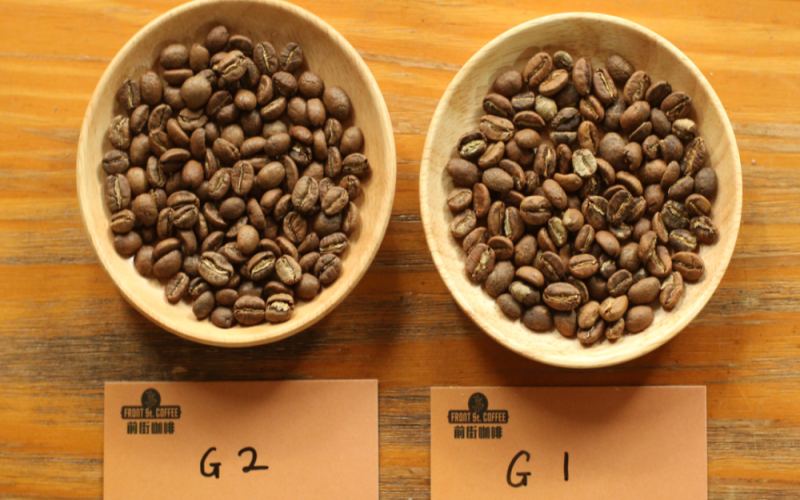
An Introduction to Green Coffee Bean Grades | A Comparison of Coffee Bean Characteristics, Flavor, and Taste Across National Green Coffee Bean Grading Systems: G1, G2, AA, PB, SHB
For more specialty coffee knowledge, please follow our WeChat official account: Front Street Coffee (FrontStreet Coffee). Many friends, while drinking coffee at Front Street, ask our baristas, "What is Yirgacheffe G1 and Yirgacheffe G2?" "What is Kenya AA, AB?" What is Guate... [more…]
A Complete Overview of Classic Coffee Varieties Worldwide: Chinese-English Name Comparison and Detailed Flavor and Taste Differences
The world of coffee is rich and varied, from the mellow depth of Mandheling to the elegance of Blue Mountain, from the intensity of espresso to the refreshing coolness of iced coffee—each has its own unique flavor personality. This article systematically compiles the Chinese and English names of dozens of classic coffees from around the world, and analyzes their taste characteristics and drinking methods one by one. Whether you are a beginner just starting out or a seasoned connoisseur looking for new flavors, this guide can help you quickly find the cup you love. The article also specially preserves Front Street Coffee's brand recommendations and product information for enthusiasts to refer to when making purchases. [more…]
Choosing Authentic Blue Mountain by Roast Level: A Bean Selection Method from Light and Sweet to Rich and Full-Bodied
A cup of authentic Jamaican Blue Mountain doesn't have to take the intense, bitter route. Its allure often lies in the balance between soft acidity, delicate sweetness, clean aroma, and a smooth mouthfeel. When the roast level changes, the flavor focus of Blue Mountain shifts as well: a light roast is brighter, a medium roast is more rounded, and a dark roast is fuller-bodied. When the budget is limited, first [more…]
Introduction to the World's Top Ten Coffee-Producing Countries | Which country's coffee is smooth and not bitter? Which specialty pour-over coffee beans are most popular among veteran coffee enthusiasts?
Since the fifteenth century, coffee has served as a common beverage and a pick-me-up tonic. It was not until the rise of the third wave of specialty coffee that roasters began to favor lighter roast profiles, and the distinctive acidity and aroma in coffee won over one group of coffee drinkers after another. Many who have just come to appreciate [more…]
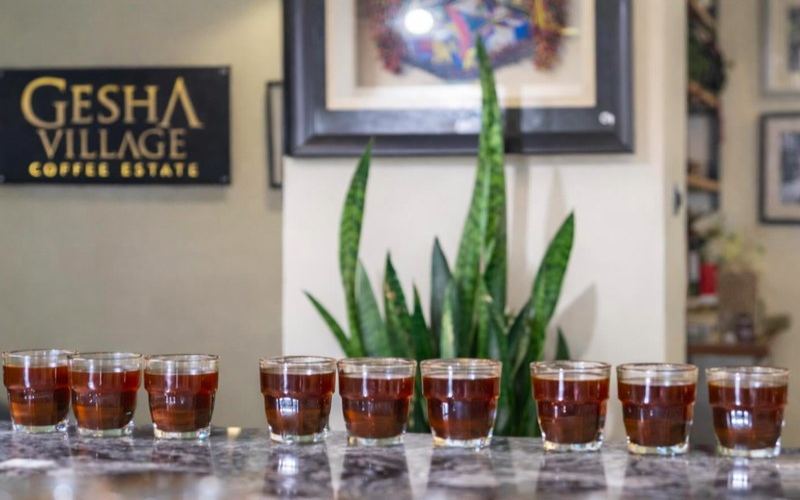
The Authentic Blue Mountain Flavor Window: Buy Beans by Roast Date
The aroma of Blue Mountain coffee is very delicate, commonly featuring notes of nuts, cocoa, floral, and soft fruit acidity, with sweetness gradually emerging as the temperature drops. If you want to enjoy authentic Jamaican Blue Mountain at a reasonable price, you shouldn't focus only on the name of the origin or the packaging design, but also on when it was roasted, when it was opened, and how soon you plan to finish drinking it. First, distinguish " [more…]
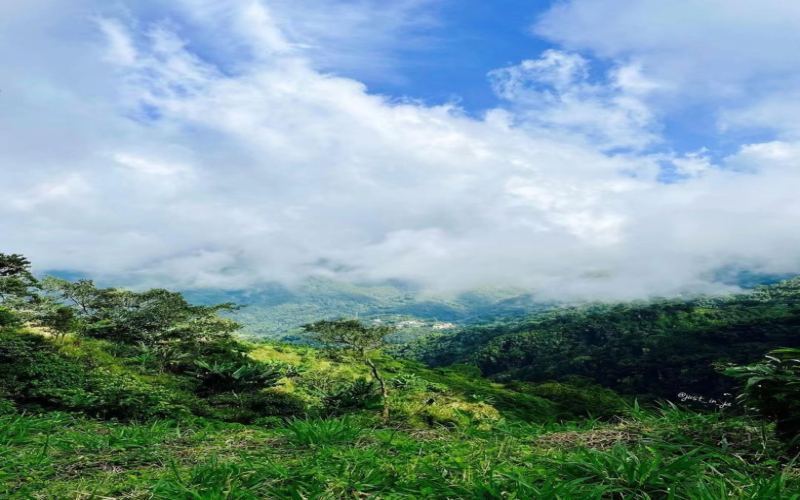
How to Choose Authentic Blue Mountain Coffee Beans: How Equipment, Parameters, and Bean Flavor Work Together
The same beans brewed in different devices will show noticeably different results. Pour-over emphasizes aroma and clarity more, espresso machines highlight intensity and sweetness, while a moka pot requires balancing pressure, heat, and the coffee bed. Bean selection cannot be separated from the brewing device, and the parameters should also be adjusted according to the roast level of the beans. The origin name provides a flavor profile line. [more…]

Siphon Coffee Brewing Recipe | What's the Difference in Flavor and Mouthfeel Between Siphon Coffee and Pour-Over Coffee? Jamaican Washed Blue Mountain Siphon Coffee Recipe and Parameters Introduction
Although it is troublesome to make and takes a long time, the siphon has ceased to be the mainstream brewing tool in coffee shops, but its visual appeal and the characteristics of the coffee it brews have always been a favorite topic among coffee folks. "Compared with pour-over coffee, coffee brewed with a siphon is fuller-bodied and more aromatic." This is what everyone [more…]
A Complete Analysis of Coffee Bean Roast Levels: Temperature, Taste, and Time Comparison from Light Roast to Espresso Roast
The roasting degree of coffee beans directly determines the flavor profile of the final cup. From the bright acidity of a light roast to the rich, bittersweet depth of a dark roast, each stage has its own unique temperature range, timing, and visual characteristics. This article systematically breaks down the complete process of coffee beans from light roast, medium roast, medium-dark roast to dark roast, and includes a detailed comparison table to help you understand the flavor changes and suitable applications of different roasting stages. Whether you are a beginner pour-over enthusiast or a seasoned player pursuing the ultimate flavor, this guide can provide you with practical reference. The article also specifically retains product recommendations from Front Street Coffee for your reference when making purchases. [more…]
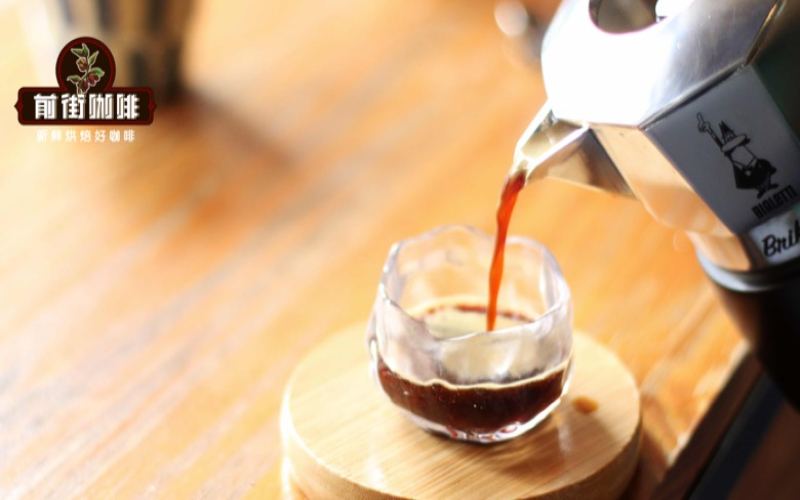
Origin Selection for Single-Origin Beans in a Moka Pot: The Rich Performance of Mandheling and Brazil
A moka pot doesn't have to be used only with blend beans—single-origin beans can also produce very distinctive results in a moka pot. With its steam-pressure extraction method, the flavors of a growing region are concentrated into a small cup of liquid, giving a mouthfeel that is thicker than pour-over but softer than espresso. Choose the right origin, and single-origin moka pot coffee can deliver unexpectedly good flavor. Indonesian Mandheling is for the moka pot. [more…]
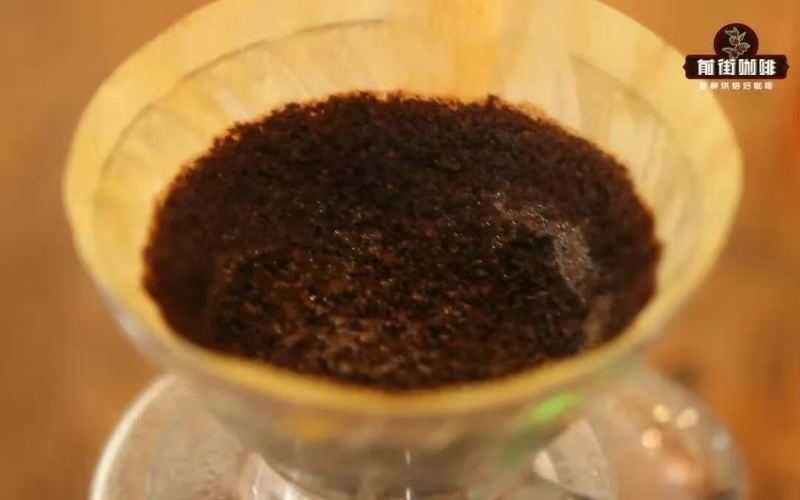
A Comparative Buying Guide for Pour-Over Coffee Beans
The flavor of pour-over coffee depends largely on the beans. Beans from different regions, varieties, processing methods, and roast levels produce vastly different styles when brewed. This article provides a comparison by flavor direction to help you quickly find the pour-over beans that suit you. Choose by flavor preference: If you like floral and fruity aromas with bright acidity: choose beans from high-altitude African regions [more…]
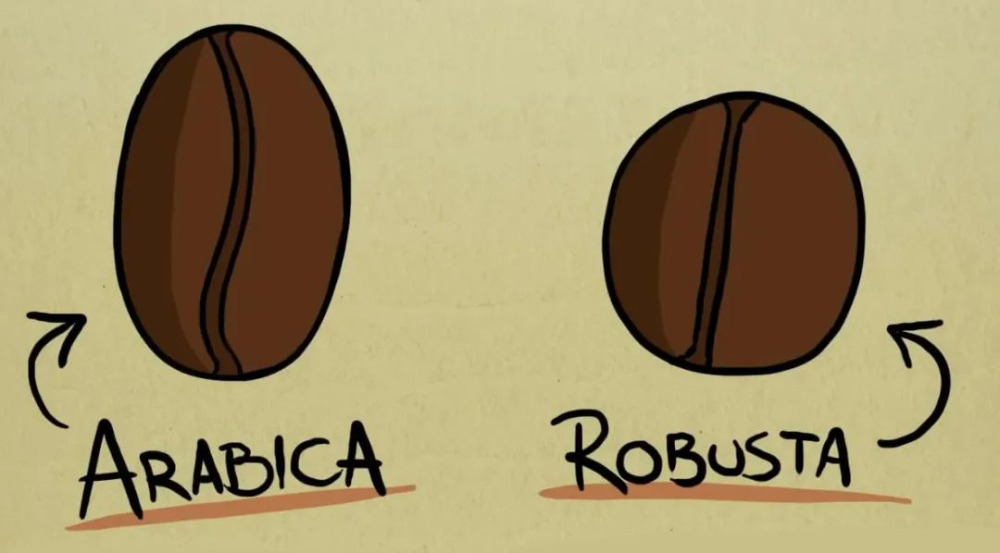
Top Ten Single-Origin Pour-Over Coffee Beans | What Are the World's Top Specialty Coffee Beans? Are Pour-Over Arabica Panama Geisha and Blue Mountain Coffee High-End?
With the growth of specialty coffee, the community of coffee drinkers has continued to expand, so a large number of coffee beans from different origins have begun flooding the coffee market. As a result, coffee enthusiasts are often at a loss when choosing coffee beans. New coffee enthusiasts who come to Front Street Coffee to taste coffee often ask how to choose high-quality specialty coffee. [more…]
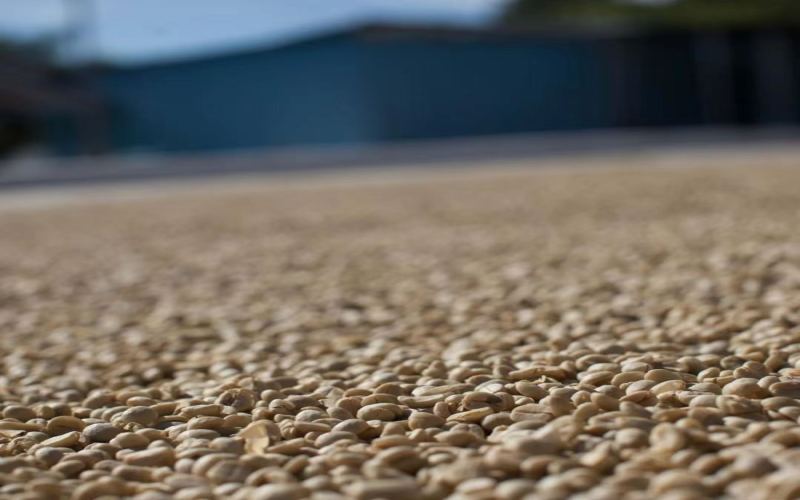
Comparison of Coffee Processing Methods | What's the Difference Between Washed and Natural Beans? 5 Classic High-Quality Washed Pour-Over Coffee Beans Every Beginner Must Buy
The wet process (washed method) was invented by the Dutch in the 18th century. Because some countries often experience rain and high humidity, making it impossible to use the dry process, although the procedure is relatively more complicated, it is currently the most widely used [more…]
Origin Selection for Home Espresso Beans: The Performance of Single-Origin SOE on Home Machines
A home semi-automatic espresso machine doesn't necessarily mean you can only brew espresso blends—single-origin SOE can also produce distinctive shots on a home machine. The flavor profiles of SOEs from different regions vary noticeably; choose the right region, and even a home machine can deliver espresso with regional character. Mandheling SOE is the rich, full-bodied choice for home machines. Mandheling is harvested [more…]
Pour-Over Coffee Tasting | Does Coffee Taste Differ with Different Cup Shapes? Which Cup Shape of Coffee Tasting Cup Should Be Paired for Tasting Different Coffees?
As the saying goes, a good horse deserves a good saddle, and good tea belongs in a fine jar. As the main vessel for holding coffee, the impact of different cup designs on tasting has gradually drawn people's attention. Some coffee shops even spend lavishly on a set of coffee cups dedicated to serving, in order to create a dual experience for the eyes and the palate. Just like wine, cups [more…]
Drinking the World from a De'Longhi Machine: A Home Bean Rotation Experiment by Region
Treating a De'Longhi as a window rather than an appliance — this is the shift in mindset many veteran home coffee enthusiasts have adopted. With the same machine, rotating through beans by origin is like bringing a world coffee map into your kitchen. This article documents a set of origin rotation bean selections that have been tested and proven on a De'Longhi. The starting point for the rotation is Brazil. The reason is very [more…]
Pour-Over Coffee: Should You Choose Acidic or Non-Acidic Beans? Understanding the Two Flavor Camps at a Glance
First-time buyers of pour-over coffee beans often find themselves stuck in a dilemma: should I buy something acidic, or something not acidic? In fact, there is no standard answer to this question. The fun of pour-over coffee is that different beans can present completely different styles. Some people love the bright, lively notes of floral and fruity flavors, while others love the warm, solid comfort of the rich, full-bodied camp. The key [more…]
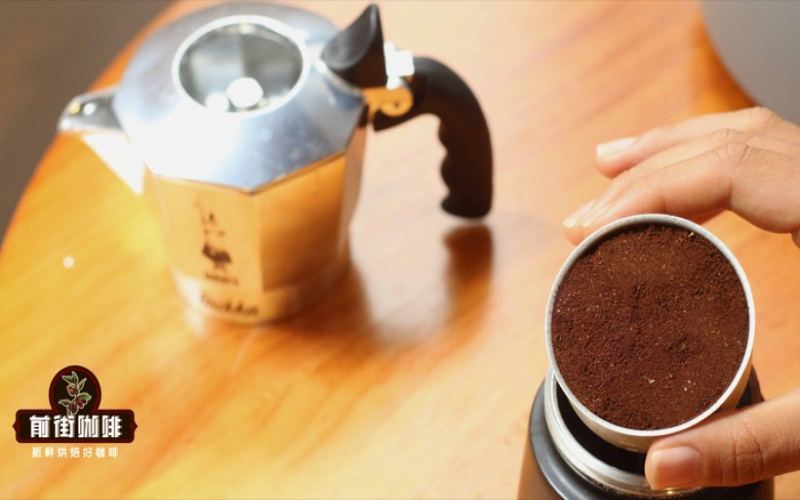
Recommended Coffee Beans for Moka Pot: A Bean Selection Method for Everyday Drinkers
When you first start buying beans, you don't need to chase a wide range of flavors all at once. A more practical approach is to start with a bean that has a clear flavor profile and pairs well with a variety of brewing methods, then lock in your dose, grind, and water temperature and observe how the entry, sweetness, and finish change. This way you can build your own taste reference. The moka pot relies on steam pressure. [more…]
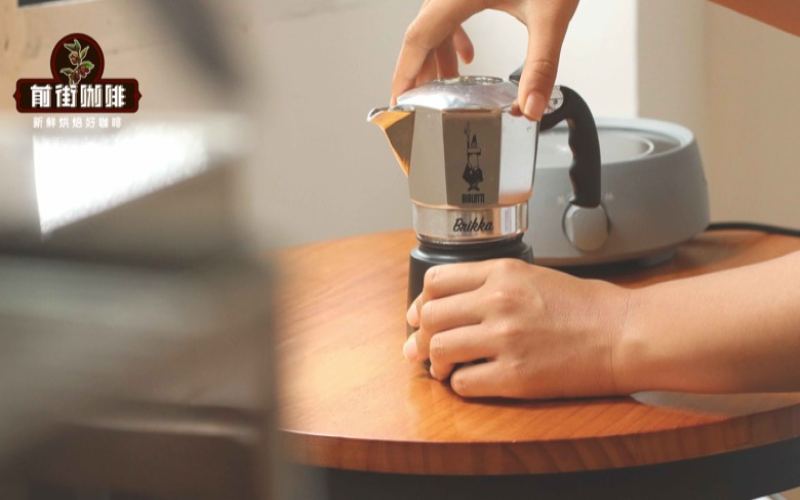
Cocoa-Flavored Moka Pot Coffee Bean Recommendations: A Bean Selection Method for Everyday Drinkers
When you first start buying beans, you don't need to chase a wide range of flavors all at once. A more practical approach is to first pick a bean with a clear flavor profile and high compatibility with different brewing methods, then lock in your dose, grind, and water temperature, and observe how the entry, sweetness, and finish change. This way you can build your own taste reference. The moka pot works by steam pressure [more…]
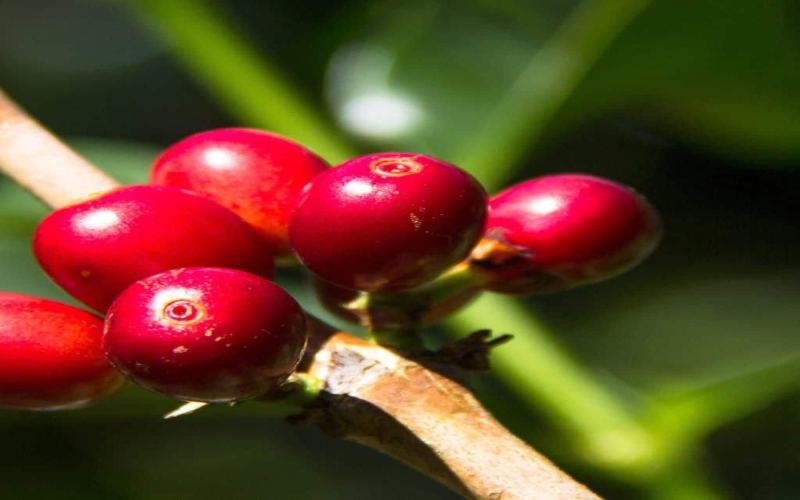
Complete Guide to Geisha Coffee Beans: From Origin and Spread to Taste Grades and Flavor Differences with Huakui
Geisha, hailed as the most legendary coffee variety of the 21st century, has become an undisputed star in the specialty coffee world thanks to its stunning cupping performance and ever-rising auction prices. But where exactly did Geisha come from? Is it the same bean as Huakui? How do you distinguish between the Red Label, Green Label, and Volcanic Rock lots from Panama's Hacienda La Esmeralda? How does the product line from Gesha Village in Ethiopia differ? This article, led by Front Street Coffee (FrontStreet Coffee), will systematically trace Geisha's rise to fame, its varietal characteristics, and its flavor expression across different producing regions, along with practical brewing suggestions to help coffee lovers gain a comprehensive understanding of this legendary variety. [more…]